



BMW 7 Series Facelift Launched In India, Priced From Rs. 1.95 Crore
September 12, 2026
BMW has introduced the updated 7 Series in India, with the luxury sedan available in a single 740...
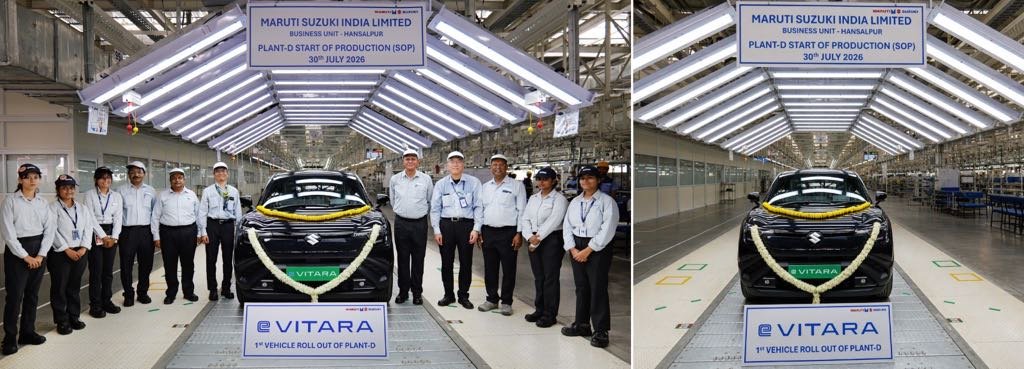
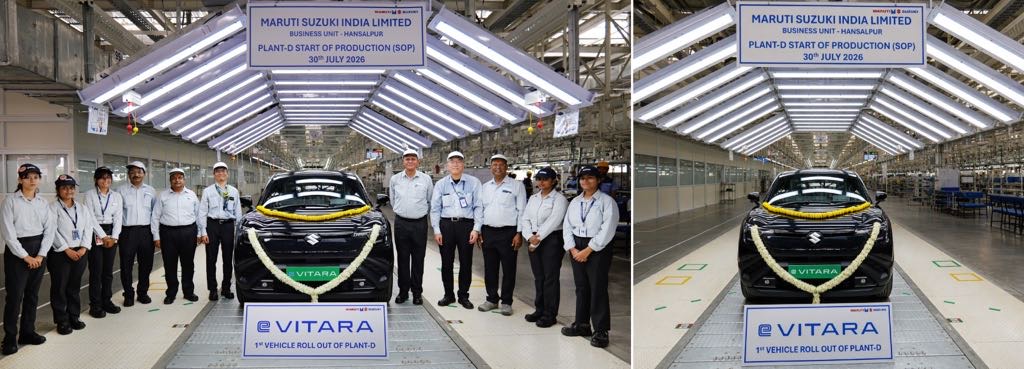
Maruti Suzuki is planning to invest Rs. 77,500 crores between FY27 and FY31 as it prepares for an anticipated increase in India’s passenger vehicle demand. The planned spending will cover manufacturing capacity, new products, research and development, plant upkeep, sales infrastructure, logistics and initiatives aimed at reducing carbon emissions.
The country’s largest carmaker has also raised its near-term capital expenditure allocation. Maruti Suzuki expects to spend around Rs. 14,000 crores in FY27, up from Rs. 10,000 crores during FY26.
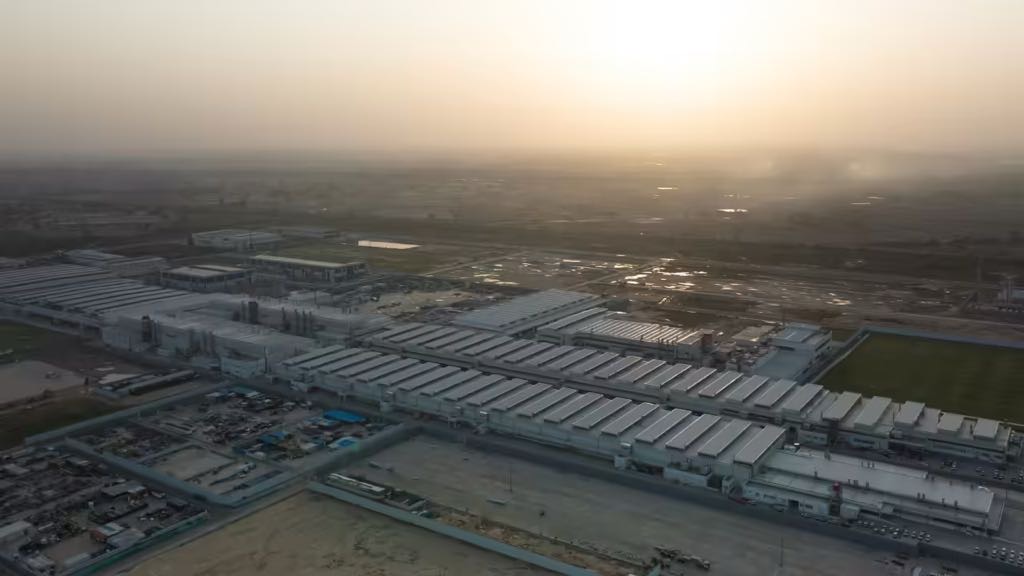
The company expects its installed production capacity in India to reach 2.9 million vehicles by the end of FY27, before increasing further to approximately 3.65 million units by FY31.
Small-car demand changes production strategy
Maruti Suzuki’s investment plans come as the company sees signs of renewed demand for smaller passenger cars after several years in which buyers increasingly moved towards SUVs.
Chairman RC Bhargava said the company is reviewing its longer-term production and sales projections following recent GST reforms. The changes in taxation have prompted Maruti Suzuki to reassess its expectations for the overall automobile market over the next five years.
The company currently estimates that India’s passenger vehicle market could reach 6.1-6.3 million units by 2031. Management also expects the small-car segment to grow at a faster pace over the coming five years than it did during the previous five-year period.
There are already signs of a recovery. Maruti Suzuki’s small-car volumes increased 17 percent during the second half of FY26 and rose 35 percent in the first quarter of FY27. Between April and July, the company’s small-car volumes reportedly increased 63 percent, giving it around an 83 percent share of the segment.
Overall, Maruti Suzuki’s sales increased 38 percent in the first quarter of FY27, compared with 28 percent growth for the passenger vehicle industry.
Additional capacity planned
Capacity constraints have also influenced the company’s manufacturing plans. Maruti Suzuki ended FY26 with approximately 1.9 lakh pending bookings, with limited production capacity affecting the availability of some models.
The company attributed part of the capacity mismatch to earlier adjustments made when small-car demand was weakening and consumers were increasingly opting for SUVs.
Going forward, Maruti Suzuki says its manufacturing facilities will be designed with greater flexibility, allowing production lines to switch between different platforms and models depending on market demand.
The approach could give the automaker more room to respond to changes in consumer preferences rather than committing manufacturing capacity permanently to a particular vehicle category.
EV range to expand
Electric vehicles will form another part of Maruti Suzuki’s long-term product strategy. The company’s first EV, the e Vitara, has been launched in international markets and has reportedly accumulated close to 41,000 exports.
Domestic volumes have been more modest, with around 5,648 units sold in India. Production limitations during the ramp-up of the new manufacturing facility have affected availability.
Maruti Suzuki plans to expand its EV portfolio and increase localisation of electric-vehicle components, including battery technology, as the domestic supply chain develops.
The company says it initially chose a mid-to-upper segment EV because India’s charging infrastructure remains uneven. As charging availability improves, Maruti Suzuki expects to evaluate EVs for additional segments.
CNG remains part of the strategy
Despite the industry’s shift towards electrification, Maruti Suzuki continues to see strong demand for CNG-powered vehicles.
CNG sales increased 22 percent to 7.46 lakh units in FY26, while volumes climbed 58 percent to around 2.2 lakh units in the first quarter of FY27. The company is targeting approximately 9 lakh CNG vehicle sales during FY27.
Maruti Suzuki is also exploring compressed biogas (CBG) as another alternative fuel. The company had initially planned four pilot projects but is considering a broader programme because of the potential benefits for agriculture, emissions reduction and lower dependence on imported fossil fuels.
The automaker therefore expects CNG and CBG to remain relevant alongside petrol, hybrid and electric powertrains as it pursues a multi-energy strategy.
Export ambitions continue
Maruti Suzuki is also targeting further growth in overseas markets. The company expects to export approximately 4.8 lakh vehicles in FY27, following exports of more than 4.4 lakh units in FY26.
Exports increased by around 74 percent during FY26, making Maruti Suzuki responsible for roughly half of India’s passenger vehicle exports.
Japan has become the company’s second-largest export destination, while trade agreements involving markets such as the UK and European Union could provide additional opportunities.
The company also claims a dominant position in India’s EV exports, accounting for around 90 percent of electric passenger vehicle exports from the country.
SUV portfolio to expand further
While small cars remain central to Maruti Suzuki’s strategy, the company plans to strengthen its position in larger vehicles as well.
The automaker said it has introduced seven new SUVs over the past five years and intends to continue expanding its SUV range. The strategy is aimed at increasing its presence in the segment without reducing its focus on small cars.
Maruti Suzuki is simultaneously pursuing cost-reduction measures through higher localisation, productivity improvements and other efficiency initiatives.
With capacity expansion, new models and a broader powertrain portfolio planned over the next five years, the company is positioning its manufacturing operations to respond to what it expects will be a larger and more diverse Indian passenger vehicle market.
The post Maruti Suzuki Plans Rs. 77,500 Crores Investment Through FY31 appeared first on MotorBeam.