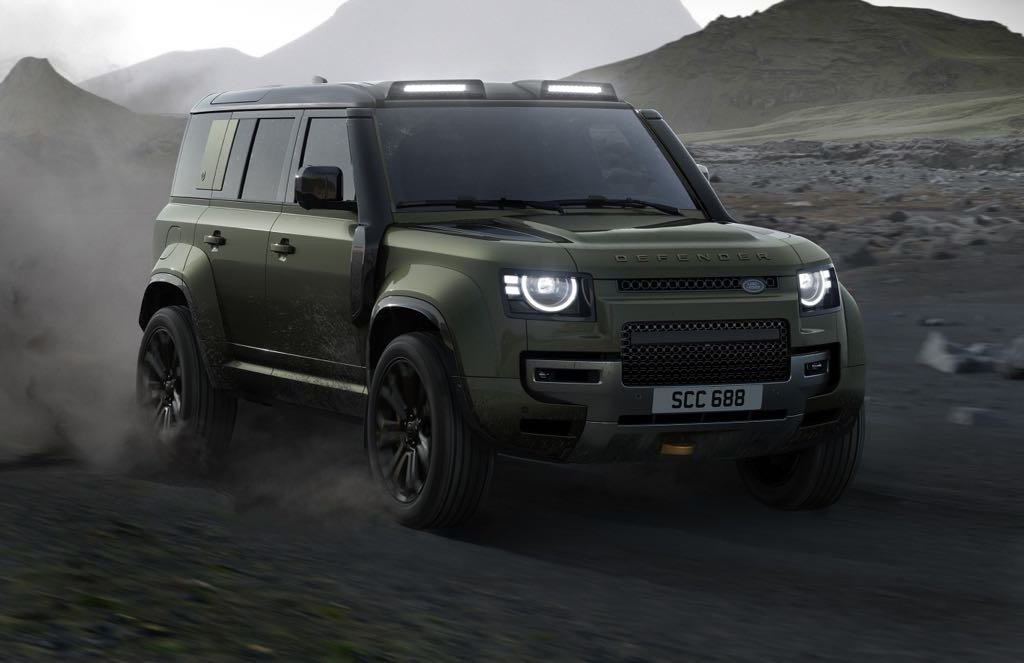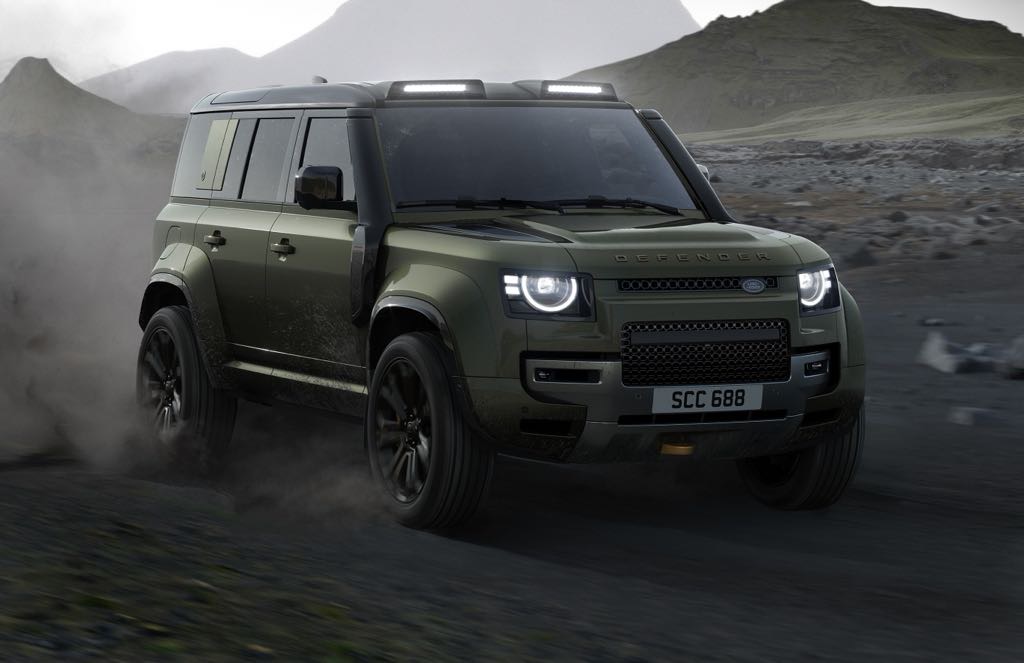
A Dutch court has directed Jaguar Land Rover (JLR) to destroy or return digital files seized from BYD’s offices in the Netherlands, dealing a procedural setback to the British automaker in its ongoing dispute over the design of the BYD Ti7.
The ruling, issued by the District Court of The Hague on November 11, requires JLR to comply within 24 hours of receiving formal notice. Failure to do so could result in a penalty of €50,000 per hour, capped at €500,000.
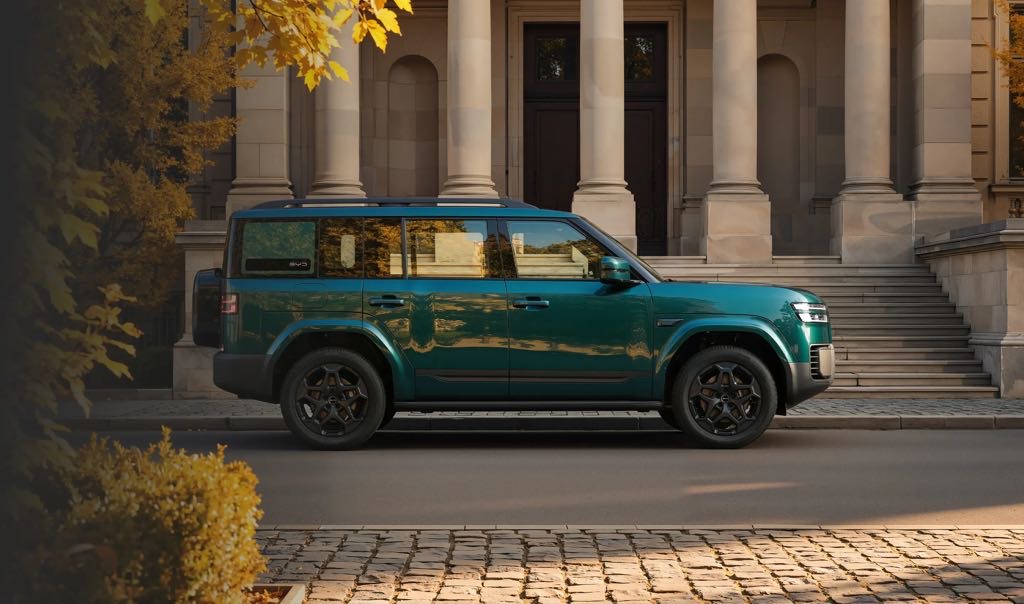
The dispute began after JLR raised concerns that BYD had allegedly dismantled a Land Rover Defender to study its technology and potentially use the findings in the development of the Ti7, a seven-seat plug-in hybrid SUV sold in China.
Why Did The Court Order JLR To Destroy The Files?
The seized material was collected during court-authorised searches at BYD’s offices in Schiedam and Hoofddorp in the Netherlands in August. The documents reportedly included technical information, product launch plans and financial records related to the Ti7.
BYD challenged the seizure, arguing that the operation was too broad and had resulted in the collection of confidential research and development material unrelated to JLR’s allegations.
The Hague court agreed that the documents were not necessary to establish whether the Ti7 infringed the Defender’s exterior design rights or to calculate potential damages. It also rejected JLR’s request for an additional inspection of BYD’s internal records.
The court further ordered BYD to pay €25,376.57 towards legal costs. The ruling takes immediate effect, meaning JLR must comply even if it decides to appeal.
The BYD Ti7-Defender Design Dispute Continues
Importantly, the latest ruling does not settle the central question of whether BYD copied the Defender’s design. It only addresses the legality and scope of the evidence seizure.
JLR’s allegations against BYD remain under consideration in separate legal proceedings in the Netherlands. The British automaker maintains that the Ti7 bears similarities to its iconic off-roader and has raised concerns about possible intellectual property infringement.
The BYD Ti7, sold in China under the Fangchengbao brand since September 2025, features a boxy exterior and a seven-seat layout. The SUV is also expected to enter the UK market, with prices starting at £47,995.
For comparison, the seven-seat Land Rover Defender 110 starts at £68,465 in the UK. However, the two vehicles have different powertrains and underlying engineering, despite occupying a broadly similar SUV segment.
JLR Has Previously Challenged Chinese Automakers
This isn’t the first time JLR has taken legal action over an alleged imitation of one of its vehicles. In 2019, the company won a case against Jiangling Motor Corporation over the Landwind X7, which was found to infringe the Range Rover Evoque’s design rights.
JLR also has established business ties with Chinese manufacturers, including its joint venture with Chery, which has since brought back the Freelander name as a separate electric vehicle brand.
The latest dispute highlights the growing tensions between established global automakers and Chinese manufacturers as the latter expand into international markets with increasingly competitive products.
For now, the court’s decision is a setback for JLR in its attempt to secure evidence, but it does not determine whether BYD infringed its intellectual property rights.

The post JLR Ordered To Destroy Seized BYD Files In Defender Copying Dispute appeared first on MotorBeam.